Miami-Dade Metro Tries to Impose Lifetime Ban on Photojournalists for Taking Photos
The harassment of photographers by law enforcement is an unfortunately common scenario, which occurs in the United States. It has received a growing amount of attention, but nevertheless seems to continue. 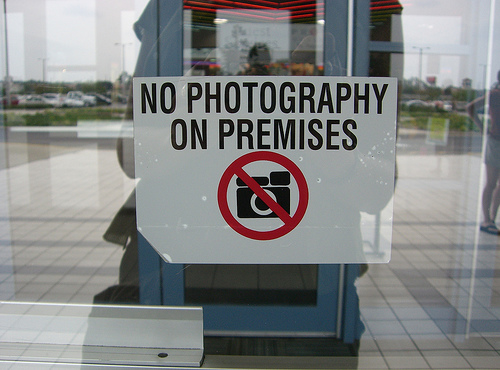 Websites such as Boing Boing have done a good job of highlighting these scenarios. The ACLU has often been involved on the side of photographers: "ACLU of Washington Wins Compensation For Wrongfully Arrested Photographer." (The role of the internet and YouTube in raising awareness is also worthy of mention: "Traffic stop video on YouTube sparks debate on police use of Md. wiretap laws.") Security expert Bruce Schneier has posted on the war on photography before, and in one post in particular, he argued that terrorists don't photograph in preparation for their activities.
Enter Carlos Miller, who publishes Photography is Not a Crime, an excellent blog which shines the spotlight on these types of situations and the rights of photographers in general. Mr. Miller has been involved in one or more such situations himself. Miller and veteran photojournalist Stretch Ledford ratcheted things up a notch, when they decided to ride the Miami-Dade Metrorail and take some photographs in the process. Unfortunately for Miami-Dade Metro, Miller and Ledford also happened to have a video camera with them.
Check out Miller's account of the episode at his blog here and Ledford's account here. (Ledford has been harassed by authorities (while trying to photograph) in a long list of countries, and it does not look like he is inclined to put up with it in the United States.) Miller and Ledford did their homework. They contacted Miami-Dade Metro head of security ahead of time. They brought along a video camera. And they lined up a First Amendment/media lawyer. According to Miller, Miller and Ledford were not allowed to take (or make, in photographer parlance) any photos. Worse yet, they were permanently banned from setting foot on Metrorail property.
I don't think this is going to end well for Miami-Data Metro, which is probably going to have to retract the permanent ban, and at least offer to train the security guards who are contracted for security by Metro.
Two things worth noting. First, numerous law enforcement figures were involved in the situation, and all of the authorities kept ceding jurisdiction to someone else. If terrorism-related photography was truly a concern, you would think that escalating the situation would result in involvement by someone who could actually make a call as to what the right thing to do was in the situation. No offense against security guards, but ceding jurisdiction to "50 State Security" over the issue of whether Ledford and Miller should have been allowed to photograph does not do much for the overall argument that photography should be restricted for security reasons. Second, there's a written policy in place. The policy is far from a model of clarity, and there are plenty of reasons to fault the policy, but what's striking is the disconnect between the policy and what the security guards and law enforcement say about what is permitted.
Some tips to be gleaned from Miller and Ledford's approach: (1) they were courteous but informed in advance about their rights; (2) they clearly and calmly explained to the authorities why they were in the right; (3) they demonstrated an ability to defuse the situation; and (4) they documented the situation.
[Photo by WordWridden/Creative Commons license]
Websites such as Boing Boing have done a good job of highlighting these scenarios. The ACLU has often been involved on the side of photographers: "ACLU of Washington Wins Compensation For Wrongfully Arrested Photographer." (The role of the internet and YouTube in raising awareness is also worthy of mention: "Traffic stop video on YouTube sparks debate on police use of Md. wiretap laws.") Security expert Bruce Schneier has posted on the war on photography before, and in one post in particular, he argued that terrorists don't photograph in preparation for their activities. Enter Carlos Miller, who publishes Photography is Not a Crime, an excellent blog which shines the spotlight on these types of situations and the rights of photographers in general. Mr. Miller has been involved in one or more such situations himself. Miller and veteran photojournalist Stretch Ledford ratcheted things up a notch, when they decided to ride the Miami-Dade Metrorail and take some photographs in the process. Unfortunately for Miami-Dade Metro, Miller and Ledford also happened to have a video camera with them.
Check out Miller's account of the episode at his blog here and Ledford's account here. (Ledford has been harassed by authorities (while trying to photograph) in a long list of countries, and it does not look like he is inclined to put up with it in the United States.) Miller and Ledford did their homework. They contacted Miami-Dade Metro head of security ahead of time. They brought along a video camera. And they lined up a First Amendment/media lawyer. According to Miller, Miller and Ledford were not allowed to take (or make, in photographer parlance) any photos. Worse yet, they were permanently banned from setting foot on Metrorail property.
I don't think this is going to end well for Miami-Data Metro, which is probably going to have to retract the permanent ban, and at least offer to train the security guards who are contracted for security by Metro.
Two things worth noting. First, numerous law enforcement figures were involved in the situation, and all of the authorities kept ceding jurisdiction to someone else. If terrorism-related photography was truly a concern, you would think that escalating the situation would result in involvement by someone who could actually make a call as to what the right thing to do was in the situation. No offense against security guards, but ceding jurisdiction to "50 State Security" over the issue of whether Ledford and Miller should have been allowed to photograph does not do much for the overall argument that photography should be restricted for security reasons. Second, there's a written policy in place. The policy is far from a model of clarity, and there are plenty of reasons to fault the policy, but what's striking is the disconnect between the policy and what the security guards and law enforcement say about what is permitted.
Some tips to be gleaned from Miller and Ledford's approach: (1) they were courteous but informed in advance about their rights; (2) they clearly and calmly explained to the authorities why they were in the right; (3) they demonstrated an ability to defuse the situation; and (4) they documented the situation.
[Photo by WordWridden/Creative Commons license]



Comments